The Beatles: Reflections on Legacy
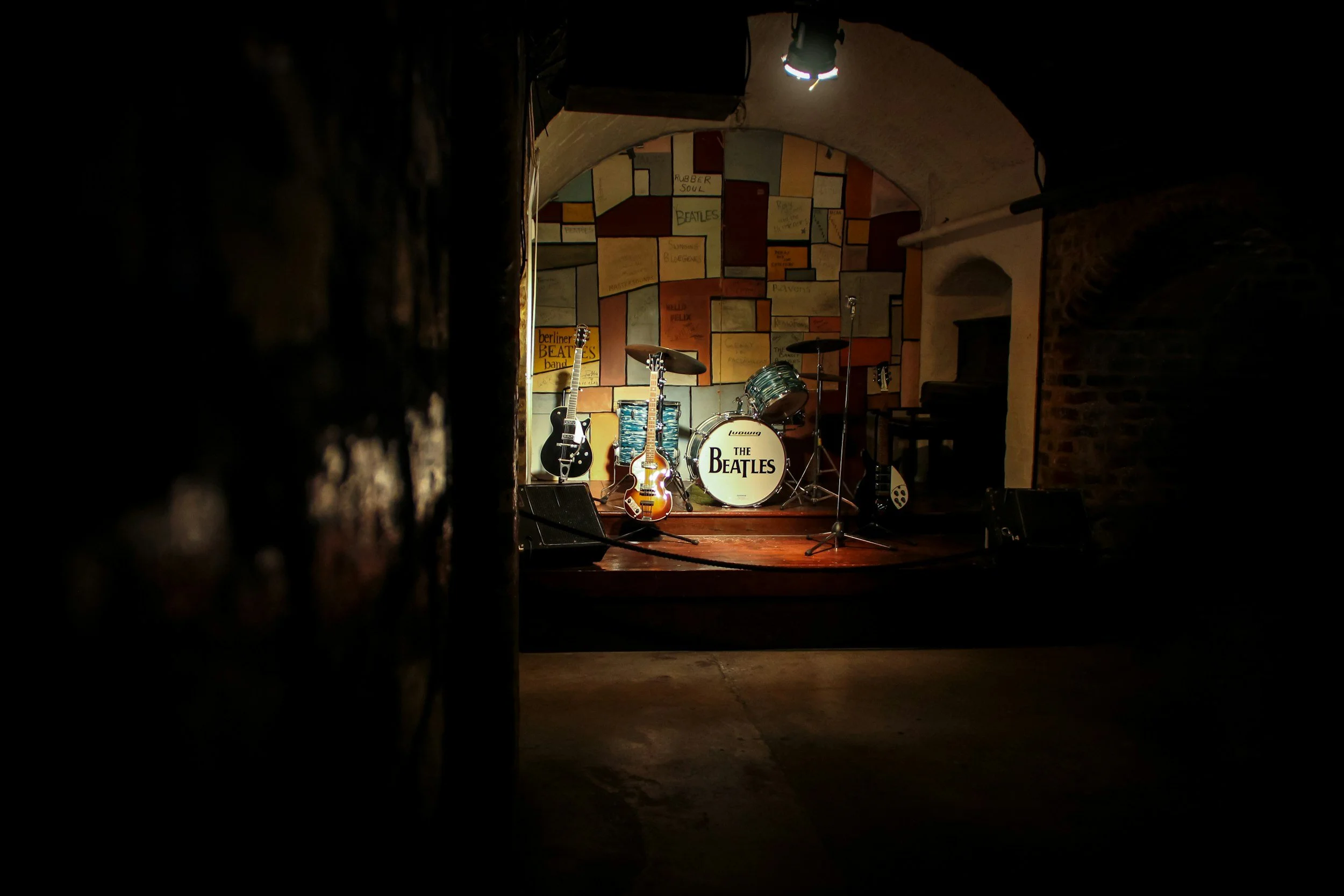
I need to begin with a confession that shapes everything that follows: the Beatles did not change my life in real time. I was ten years old when they arrived in America for their first tour in 1964, eleven and twelve when “Rubber Soul” and “Revolver” redefined what popular music could be and only 16 when they announced their breakup in 1970. I experienced Beatlemania as a child experiences most cultural phenomena- dimly aware of the commotion, catching fragments on the radio, seeing the screaming girls on television, but not yet equipped to understand what was actually happening.
The immediate trigger for this essay is Ian Leslie’s recent book on John Lennon and Paul McCartney. I like the book without loving it. The biographical background- Liverpool’s working class structure, the impact of losing mothers young, their early musical education- was engaging and informative. Leslie captures well how two ambitious teenagers from similar but distinct backgrounds found each other and created something that neither could have achieved alone. The sections on their songwriting process in the early years added useful context.
I have no interest in pop psychology, their childhood traumas, their romantic entanglements or detailed accounts of sexual episodes and drug use. These feel like distractions from what actually matters. What the book did accomplish was to refocus my attention on the group itself and reflect on why their music endures. This essay focuses on their music, their development as artists and their cultural legacy. I am not evaluating personalities, not analysing the Lennon- McCartney relationship or the creative and personal disputes that led to the breakup. I don’t place blame for the band’s dissolution or analyse of their post Beatles solo careers. There is a ton of literature on those topics. My interest is the work itself- the songs, the albums, the studio craft.
The Beatles were not influencers for me in the way they were for millions who heard “I Want to Hold Your Hand” and felt the ground shift. I came to them after the fact, in the early 70’s ,when the group was already history. My entry points were later singles that lingered on radio: “Hey Jude,” “Let It Be” and “Revolution.” I worked my way into their catalog by purchasing albums, particularly the later studio work- “White Album” and “Abbey Road.” Only later did I circle back to the early material, eventually acquiring all their albums. This chronology freed me from nostalgia. I never had to reconcile the sanitised early pop Beatles with their later incarnation. I encountered them as a whole, as a complete body of work. I ultimately concluded that the later work was superior although each phase had its charms.
This is also a confession of bias: I am a Paul guy. I reject the mythology that casts John Lennon as the true rocker while relegating Paul to the softer, commercial side, McCartney’s discipline, his melodic genius, his passion for experimentation and his willingness to push the band into new territory were the engines that drove The Beatles to their greatest achievements. Lennon was a genius, but Paul was a savant.
The essential facts and timeline are straightforward. The classic lineup- Lennon, McCartney, Harrison and Starr solidified by 1962. They dominated the British pop scene by 1963 and appeared on the Ed Sullivan Show in February, 1964 and drew 73 million American viewers. After three years of intense and rather chaotic touring, their final commercial concert was in San Francisco in 1966. The decision to stop touring at their commercial peak was revolutionary. They consciously chose the recording studio over the road. From 1966 to April 1970, The Beatles existed almost entirely as a studio entity and this period defines their artistic legacy. Their run was actually quite brief, but no other band built such a magnificent library in such a brief and concentrated time span. Amazing really!!
The singles and album catalog is where the genius shines through. Between 1964 and 1970, The Beatles placed 20 singles at No 1 on The Billboard Hot 100. On April 4, 1964, they held the top five positions simultaneously- a feat never duplicated. But by 1965, their most important work was moving beyond the three minute single into coherent and thematic album tracks. They were driven- ultra ambitious and willing to take musical risks. Everyone has their own favourite singles and albums and here are mine. I identify the year of production and the songwriter on the singles.
MY ESSENTIAL SINGLES:
“HEY JUDE” (1968)-McCartney. Their best selling single at over 8 million copies. At seven minutes with a four minute “na-na-na” coda, it proved audiences would follow them into ambitious territory.
“LET IT BE”(1970)-McCartney. Their final single to reach Number 1 before the break-up. Gospel influenced piano ballad that became an anthem of acceptance.
“YESTERDAY” (1965)-McCartney. Just Paul’s voice, acoustic guitar and string quartet. Reached No 1 in US. Critics initially dismissed as too soft, but it demonstrated rock could embrace sophisticated arrangements.
“REVOLUTION” (1968)- Lennon. The harder single version is my choice. It is Lennon’s controversial political statement critiquing violent revolution. It reached No 12 in the US and No 1 in European markets.
“STRAWBERRY FIELDS FOREVER/PENNY LANE” (1967)- Lennon-McCartney. Released as a double A-side, this represents their psychedelic peak. “Strawberry Fields” features Lennon’s surreal childhood memories over complex production. “Penny Lane” offers McCartney’s nostalgic Liverpool portrait with Baroque trumpets. Critics now regard it as among their finest work.
“A DAY IN THE LIFE” (1967)-Lennon-McCartney. Never released as a single due to BBC drug references ban, yet consistently ranked as a masterpiece. John’s detached verses frame Paul’s mundane middle section, building to orchestral chaos and a 42 second piano chord.
“TOMORROW NEVER KNOWS” (1966)- Lennon. Album track that became massively influential despite never being released as a single. Tape loops, backward guitars, Lennon intoning Tibetan Book of the Dead over a droning chord. Blueprint for psychedelic and electronic music.
“SOMETHING” (1969)-Harrison. George’s finest moment as a Beatle, called the greatest love song ever written by Frank Sinatra. First Harrison single to reach No 1 and proved that Lennon- McCartney didn’t have a monopoly on songwriting genius.
“HERE COMES THE SUN” (1969)-Harrison. Written in Eric Clapton’s garden, this became an enduring melody. It was never released as a single but received massive radio play.
“ELEANOR RIGBY” (1966)-McCartney. No guitars or drums, just Paul’s vocal and string octet arranged by George Martin. A portrait of urban loneliness as vivid as any short story. Reached No 11 in US and No 1 in Australia. Demonstrated rock could embrace classical instrumentation and literary ambition.
“MICHELLE” (1965)- McCartney. French tinged ballad from “Rubber Soul” that reached No 1 in multiple countries. Beatles baroque at its most charming- sophisticated chord changes wrapped in accessible melody.
“COME TOGETHER” (1969)-Lennon. Opening track from “Abbey Road” with its swampy groove and surreal lyrics. Reached No 1 in US. McCartney’s bass playing drives one of their funkiest tracks. Lennon’s ability to create hypnotic, blues based rock at its peak.
“LUCY IN THE SKY WITH DIAMONDS” (1967)-Lennon. Psychedelic masterpiece from “Sgt Peppers”. The LSD initials were coincidental (Lennon insisted it came from his son’s drawing), but the dreamlike imagery and production defined the era. It Reached No 1 in US when Elton John covered it in 1974.
“GET BACK” (1969)-McCartney. Raw back to basics rock reaching No 1 in US and UK. Features Billy Preston on keyboards. McCartney’s rocker credentials on full display- simple, driving and authentic.
“IN MY LIFE” (1965)-Lennon. Nostalgic masterpiece from “Rubber Soul.” Lennon’s reflection on memory, mortality and love. George Marin’s harpsichord like piano solo becomes iconoclastic. Never released as a single but consistently ranked among their greatest stand alone songs.
MY ESSENTIAL ALBUMS:
“ABBEY ROAD” (1969): My favourite Beatles album and their most polished work. The second side’s medley represents their most ambitious compositional achievement, building to Paul’s closing couplet:”And in the end the love you take is equal to the love you make.” Includes Harrison’s “Something” and “Here Comes the Sun”and John’s “Come Together.” Sold over 30 million copies and critical consensus has increasingly favoured it over “Sgt Peppers.”
"REVOLVER” (1966): Ian Mcdonald wrote that with “Revolver” The Beatles initiated a second pop revolution- one which while galvanising their existing rivals and inspiring many new ones, left all of them far behind.” “Tomorrow Never Knows” closed the album with revolutionary tape manipulation. “Eleanor Rigby” featured only Paul’s vocal and string octet. The 2020 Rolling Stone list ranked it No11; It sold 12 million copies and many critics now regard it as their musical peak- purist before they went stylish and artsy .
“SGT PEPPER’S LONELY HEARTS CLUB BAND” (1967). Held No 1 in Rolling Stones Best Albums of All Time lists in 2003 and 2012. It dropped to No 24 in 2020. It established that rock albums could be unified artistic statements and that the recording studio was a creative tool. It sold over 32 million copies.
“THE BEATLES (WHITE ALBUM)” (1968). At 30 tracks over two LP’s it is almost too much. It contains “While My Guitar Gently Weeps,” “Happiness is a Warm Gum,“ " Blackbird,” “Helter Skelter,” and “Dear Prudence.” Sold over 24 million copies.
“RUBBER SOUL” (1965). This is where The Beatles stopped being a pop group and jumped to the next level. Includes “Norwegian Wood,” “Michelle,” and “In My Life.” Sold over 12 million copies.
The Lennon-McCartney partnership is fascinating. It has been described as one of the greatest creative collaborations in any art form. The reality is that most of the songs were written by one or the other with occasional suggestions, recommendations or prodding from the partner. The division of labor spawned a persistent mythology that has hardened into conventional wisdom. Lennon as the rocker and provocateur, the authentic voice of rebellion; McCartney as the commercial crowd pleaser, the softer side making concessions to mass taste.
This characterisation is both convincing enough to persist and false enough to be dangerous. Let’s consider the evidence: McCartney did write the biggest commercial hits- “Hey Jude”, “Yesterday”, “Let It Be”, “Penny Lane”, “Get Back”- which seems to confirm the narrative. But he also wrote “Eleanor Rigby” featuring no guitars and addressing urban loneliness. “Blackbird” is an explicit meditation on the civil rights movement that is more politically engaged than anything Lennon wrote. More tellingly, McCartney’s “Helter Skelter” practically invented heavy metal- a screaming distorted proto- punk assault that influenced Led Zeppelin and Black Sabbath. “Why Don’t We Do It In the Road” is raw and sexually explicit- blues personified. His bass playing on “Come Together” is not warm and cuddly - it is rock and roll. Meanwhile, Lennon wrote his share of sentiment. “In My Life” is nostalgic and tender. “Julia” is a heartbreaking tribute to his mother and “Good Night“ is a lullaby. The myth of Lennon as rocker versus McCartney as softie collapses under even mild scrutiny. The truth is what made them extraordinary was a creative tension that produced a form of excellence that neither could achieve alone. McCartney pushed Lennon toward melodic coherence and structured discipline. Lennon pushed McCartney toward emotional honesty, lyrical adventurousness and breaking established musical rules. It worked and then the clock ran out. Wildly productive coupes frequently divorce! C’est la vie!
The reality is that no artist or group has matched The Beatles combination of commercial success, artistic innovation and cultural impact. This is doubly impressive because they were not the best at anything individually. Others were superior to them in vocals, songwriting and general musicianship. In vocals, Aretha Franklin had more power and range, Otis Redding more emotional intensity and Freddie Mercury better theatrical command. What Lennon and McCartney had was a distinctive character, an emotional expressiveness fused by extraordinary harmonies when singing together. In songwriting, Bob Dylan matched or exceeded them, Joni Mitchell had more sophistication and emotional depth and Brian Wilson was an unmatched melodic genius. But Lennon-McCartney combined melody, harmony, lyrical range and sheer volume of production better than any musicians in history. They were good musicians but not virtuosos. Hendrix was a superior guitarist and John Bonham of Led Zeppelin was a more powerful drummer than Ringo. The Beatles strength was unmatched ensemble playing- it wasn’t about technique- it was about nailing the song. The other unique element of their greatness was they kept getting better until burnout set in- four distinct personalities and skills sets who became extraordinary together.
The Beatles redefined the musical industry. They pioneered studio recording techniques that became standard practice. They established that rock albums could be unified artistic statements, planned and executed with care. They became artistically independent, wrote their own material and controlled their artistic choices. They were the first truly global cultural phenomena of the television age, recognised instantly from Tokyo, to London, to Sydney and New York. They were four musicians from hard core Liverpool who got better faster than any rock group before or since and left behind a body of work that has survived the test of time. They remain icons six decades later- quite a legacy!!